
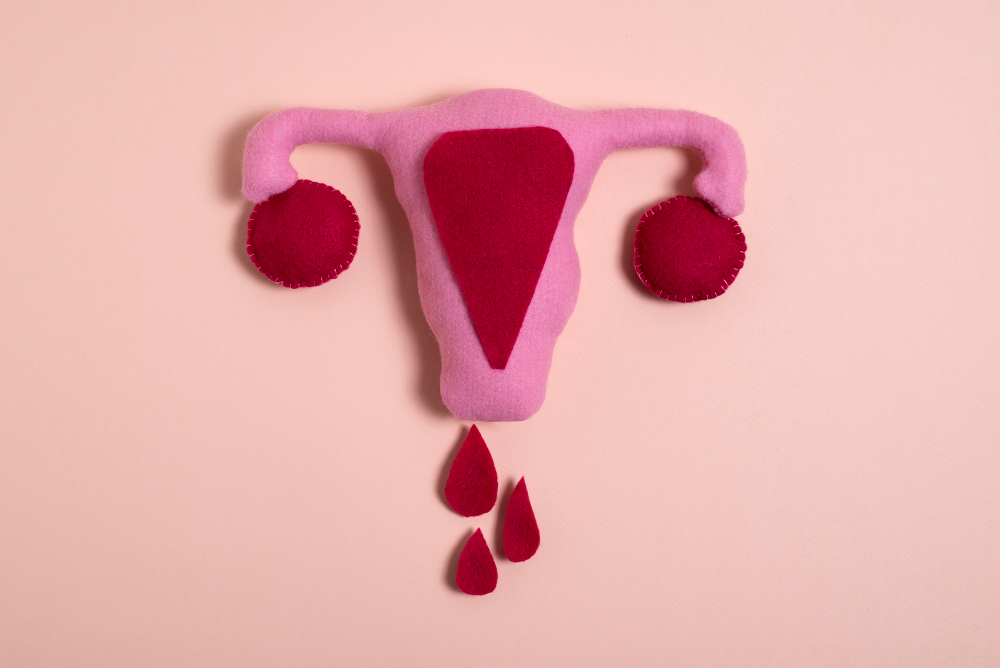
What Is Abnormal Uterine Bleeding?
Abnormal uterine bleeding means bleeding from the uterus that is not normal for you. Often, it can be heavier, lighter, or happen at odd times. For example, some people bleed between periods or after sex. Others may have periods that last much longer or come very often. Because abnormal uterine bleeding can have many causes, it is important to notice any changes. In many cases, heavy periods or irregular menstrual bleeding are not just period problems. Sometimes, they can point to other health issues. The Centers for Disease Control and Prevention (CDC) notes that this condition affects many people of all ages.
Common Symptoms
Sometimes, it can be hard to tell if your bleeding is normal. However, certain signs may suggest abnormal uterine bleeding. For instance, you might notice:
If you notice any of these symptoms, it may be time to talk to your doctor. Early attention can help find the cause of your period problems.
Possible Causes
Abnormal uterine bleeding can happen for many reasons. Sometimes, it is due to changes in hormones. Other times, it may be linked to health conditions. For example, some common causes include:
Because the causes can vary, it is important to get the right diagnosis. In some cases, heavy periods causes may be simple, but other times, they need more attention.
How Doctors Diagnose Abnormal Uterine Bleeding
First, your doctor will ask about your symptoms and period history. Next, they may do a physical exam. Sometimes, doctors use blood tests to check for anemia or hormone problems. In addition, they may order an ultrasound to look at your uterus and ovaries. If needed, a biopsy may be done to check the lining of your uterus. Because each person is different, your doctor will choose the best tests for you. According to the World Health Organization (WHO), early diagnosis helps guide treatment and rule out serious causes.
Treatment Options
Treatment for abnormal uterine bleeding depends on the cause. For many, medicine can help control bleeding. For example, birth control pills or hormone therapy may be used. Sometimes, non-hormonal medicines like tranexamic acid help reduce heavy bleeding. If you have fibroids or polyps, surgery may be needed. In rare cases, more advanced treatments are used. Your doctor will discuss the best options for your needs. Because every case is unique, following your doctor’s advice is important.
Lifestyle Tips and Prevention
Although not all causes can be prevented, some steps may help. For instance, keeping a period diary can track changes in your cycle. Eating a balanced diet and staying active support your overall health. If you notice new or heavy bleeding, seek medical advice early. In addition, managing stress and getting enough sleep can help balance hormones. When to see a doctor for period problems? If your bleeding is heavy, lasts too long, or feels different, it is best to check with a healthcare provider. Early care can make a big difference.
Consult Dr. Lily for trusted guidance and comprehensive care