
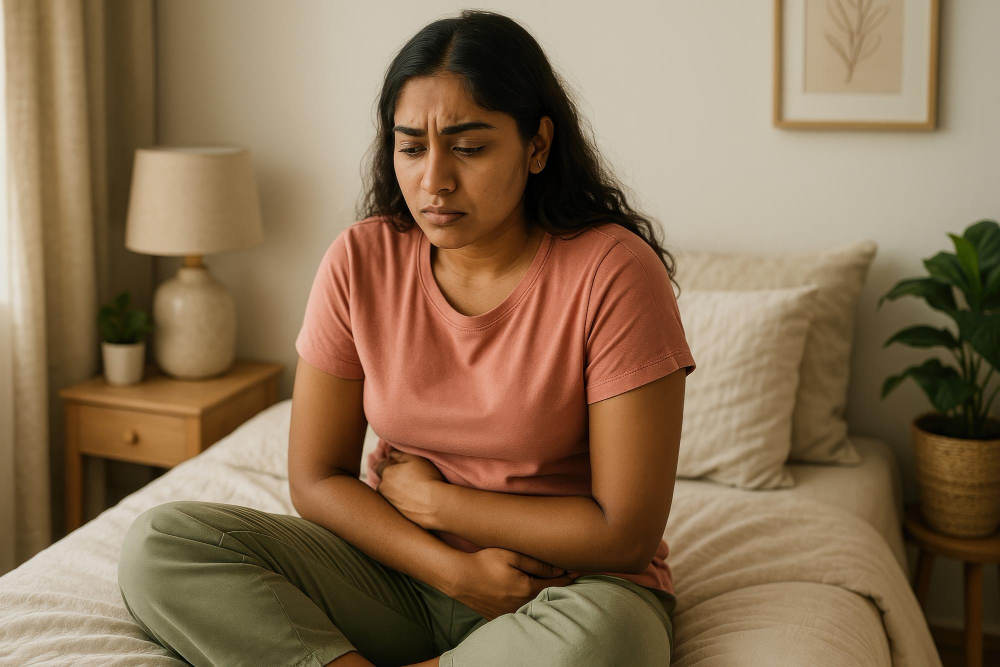
Introduction to PCOS and Its Prevalence
Polycystic Ovary Syndrome, or PCOS, is a common health problem. It affects about 1 in 10 women of childbearing age, according to the CDC. Many women do not know they have PCOS. Often, the hidden signs of PCOS are missed or mistaken for other issues. Early symptoms of PCOS can be mild, but they may lead to bigger health problems if ignored. Because PCOS is so common, it is important to know what to look for.
What Are the Hidden Signs of PCOS?
Some signs of PCOS are easy to spot, like missed periods or extra hair growth. However, many signs are less obvious. For example, you may notice small changes in your body or mood. These hidden signs of PCOS can include:
Because these signs can be mild, many women do not realize they are linked to PCOS. Yet, spotting them early can help you get the right care.
Why Are These Signs Often Missed?
Many hidden signs of PCOS are easy to overlook. For instance, tiredness or mood changes can happen for many reasons. Also, some women think irregular periods are normal for them. In addition, acne or weight gain may be blamed on stress or diet. As a result, women may not seek help right away. Sometimes, doctors may also miss these signs if they are not clear. This is why knowing about early symptoms of PCOS is so important.
When Should You Consult a Gynecologist?
It is important to talk to a gynecologist if you notice any hidden signs of PCOS. Early help can make a big difference. You should consult a gynecologist for PCOS if you:
Even if your symptoms seem small, it is better to get checked. Early diagnosis can help prevent long-term health problems.
Diagnosis and What to Expect at the Doctor’s Office
When you visit a gynecologist for PCOS diagnosis, they will ask about your symptoms and medical history. Next, they may do a physical exam. Often, blood tests are needed to check hormone levels. Sometimes, an ultrasound is done to look at your ovaries. The doctor will explain each step. If you have PCOS, your doctor will talk about treatment options. These may include lifestyle changes or medicine. The goal is to manage symptoms and protect your health.
Lifestyle Tips and Prevention Strategies
While PCOS cannot always be prevented, healthy habits can help manage symptoms. For example, you can:
Because PCOS is a lifelong condition, these steps can make daily life easier. They may also lower your risk of diabetes and heart disease, which are linked to PCOS.
Conclusion and Actionable Advice
In summary, the hidden signs of PCOS can be easy to miss. However, knowing what to look for can help you get care sooner. If you notice any early symptoms of PCOS, do not wait. Consult Dr. Lily for personalized guidance. Early action can help you stay healthy and feel your best.